Is Semrush Accurate? What Poisoned SERPs Mean (2026)
By Linkzy ·

Is Semrush accurate? Semrush is accurate enough for trends and competitor research, but its ranking data is not perfect: on 27 October 2026 Semrush confirmed that "poisoned" Google results have been affecting some of the rankings it collects.
Semrush says the impact on tracked rankings has been "limited" and mostly beyond page one, so the practical answer is: trust the trend, verify the big moves.
Here is what changed, what Semrush says, and how to check your own data.
Is Semrush accurate in 2026? The short answer
| Semrush data | How far to trust it right now |
|---|---|
| Top 10 positions for tracked keywords | Mostly reliable, verify sudden drops |
| Positions beyond page one | Less reliable, most poisoning sits here |
| Historical ranking charts for late September and October 2026 | Treat with caution |
| Keyword volume and traffic estimates | Estimates by design, use for comparison |
| Competitor research | Useful for direction, not exact numbers |
| Your own clicks and impressions | Use Google Search Console instead |
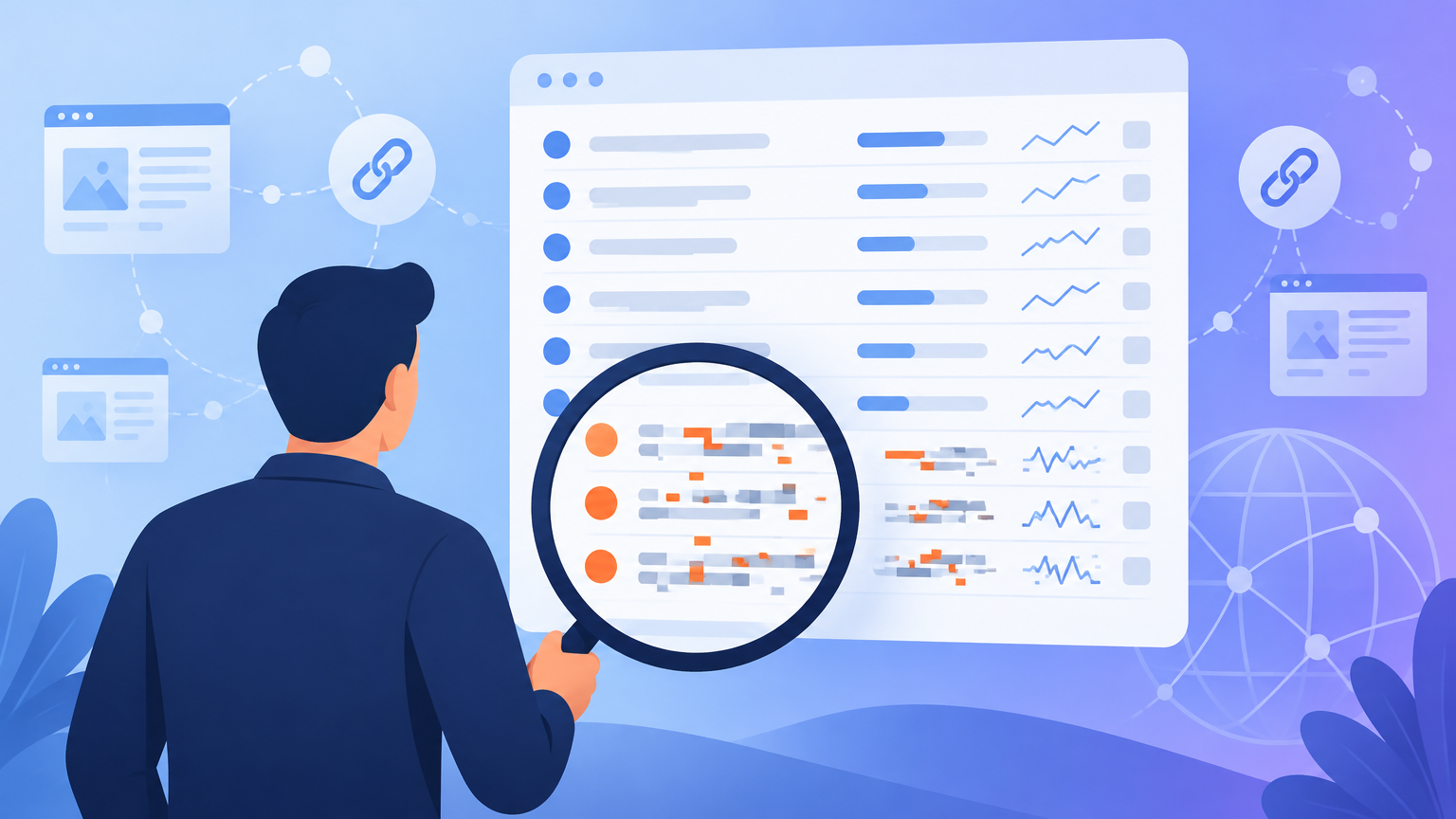
What Semrush confirmed about poisoned SERPs
In a short post titled Poisoned SERPs: An update on Google ranking data in Semrush, published 27 October 2026, Semrush said some automated Google requests now return results pages that look normal but differ from what a typical user would see.
It described two kinds:
- Clearly off: results that do not match the query, even on page one.
- Drifting: a normal looking top, with loosely related pages lower down.
Its example: a Brazilian search for a baby stroller model returned a dental equipment page, because both share the word "carrinho".
Semrush called it "an industry-wide issue affecting data providers across the SEO space". According to Search Engine Roundtable, it has seen the problem "since late summer" and says "the impact on the rankings our users track has been limited", with most problems beyond page one.
If you want the full background, start with my explainer on poisoned SERPs.
Curious whether AI tools mention your brand at all, whatever your tracker says? Get a free AI visibility audit.
What Semrush is doing about it
Semrush lists four steps:
- Detecting clearly invalid results during collection and keeping them out of its database.
- Adjusting its data sources based on quality.
- Adding validation checks that flag suspicious results.
- Collecting the data again when it finds an anomaly.
It also says Google has not commented publicly, and that its statement reflects its understanding as of 27 October.
Is Semrush more or less accurate than Ahrefs?
Nobody has published an independent comparison since the poisoning began, so be wary of anyone who claims a clear winner.
Here is what each vendor has said:
| Tool | Statement |
|---|---|
| Semrush | Impact on tracked rankings "limited", mostly beyond page one |
| Ahrefs | 5% to 20% of search results affected depending on the data provider, filters in place, past data being cleaned (PPC Land) |
| SE Ranking | Roughly 2% of tracked results still affected on 16 October |
| AccuRanker | About 1.47% from 1 to 9 October, from a sample check |
Glenn Gabe reported that Ahrefs, Semrush and SISTRIX detected the same drops and recoveries at different speeds, with SISTRIX lagging most. That suggests every tool has gaps, just in different places.
How to check if your Semrush data is accurate
You can test it yourself in about five minutes:
- Pick a keyword where Semrush shows a big move.
- Open Google Search Console, filter by that page and query, and compare clicks and impressions before and after.
- Spot check the keyword in a private browser window from the right country.
- Look at the SERP Semrush stored. If the new results make no sense for the query, it was probably poisoned.
- Recheck in two or three days. In Nozzle's data, the usual sites came back within three days on 77.9% of affected pages (PPC Land).
- If it still looks wrong, contact Semrush support with the domain and keywords, as Semrush asks.
The full routine is in how to check if a ranking drop is real, and I compare the two data sources in Search Console vs rank tracker.
Should you keep using Semrush?
For most marketing teams, yes.
Competitor research, keyword discovery, site audits and trend tracking all still work, and the poisoning mainly hurts exact daily positions, especially beyond page one.
What should change is how you report. Lead with Search Console clicks and impressions for your own site, and use Semrush positions as supporting detail.
This is especially true for link building. The value of a link from a trusted, relevant site shows up as real impressions and traffic, which no amount of scraping trouble can fake. That is the standard any link building campaign, including one from Linkzy, should be judged by.
Before the FAQ: need placements you can measure in your own data? Take a look at Linkzy's guest post service.
FAQ
Is Semrush traffic data accurate?
Semrush traffic figures are estimates built from third party data, so they are best for comparing sites and spotting trends, not for exact numbers. For your own site, Google Search Console and your analytics are more accurate.
Why is Semrush showing a ranking drop?
It may be real, or it may be a poisoned SERP. Check Search Console for the same page and dates. If clicks and impressions are steady, the drop is most likely bad data.
Is Ahrefs more accurate than Semrush?
There is no independent study since the poisoning began. Ahrefs says 5% to 20% of results are affected depending on the provider, and Semrush says its impact has been limited, but they measure in different ways.
Did Semrush fix the poisoned SERPs problem?
Semrush says it filters invalid results, has adjusted its data sources and recollects suspicious data. It has not said the issue is gone, and expects search engines to keep changing.
What should I use instead of Semrush rankings?
Use Google Search Console as your source of truth for your own site, and keep Semrush for competitor and keyword research. Many teams also compare with a second tracker.
Final thoughts
Semrush is still a useful tool. It is just not a perfect mirror of Google, and in autumn 2026 it is less perfect than usual.
Trust the trend, verify the big moves, and keep building the authority that shows up in real search data.
When you are ready to earn links from trusted sites, start with Linkzy.